Putting the experience of 20 years of racing sled dogs into the development of top quality equipment for working dogs.
Used and highly recommended by Wes Rau, top canine physical therapist and musher. Events that occurred during the 2003 Iditarod resulted in a "rethinking" of what constitutes a well designed sleddog harness for long distance racing. During the race three time Iditarod champion Jeff King and his daughter Cali created quite a stir by using a totally different kind of harness than the standard x-back or h-back harness for their dogs. What they both were testing was the Distance Harness (the European skijor harness), made by ManMat.
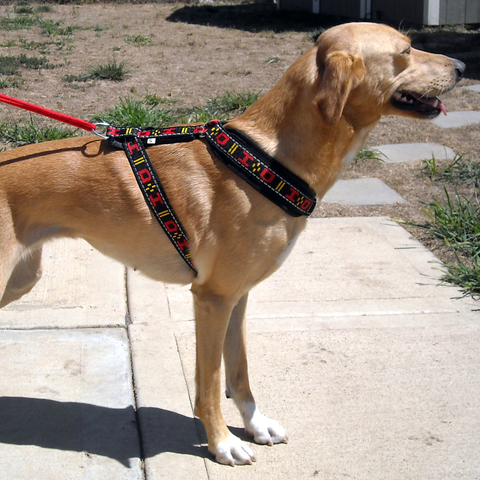
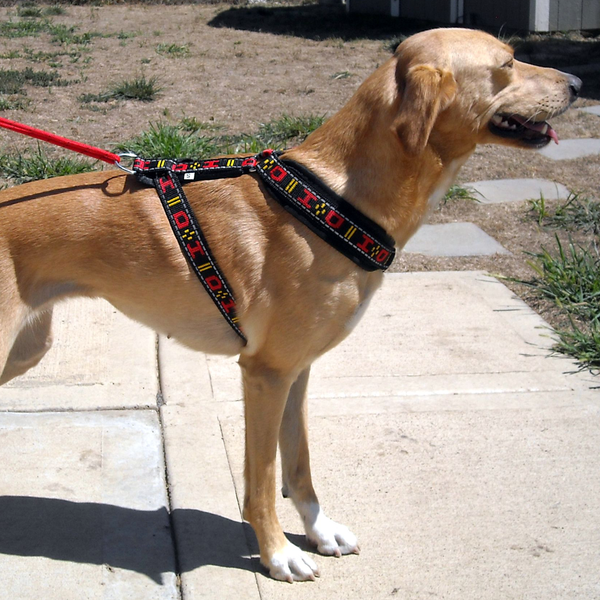
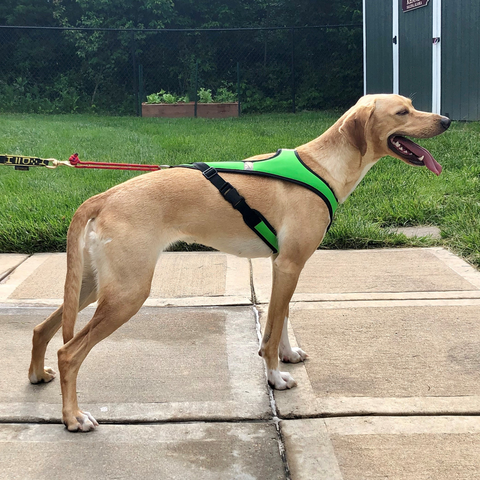
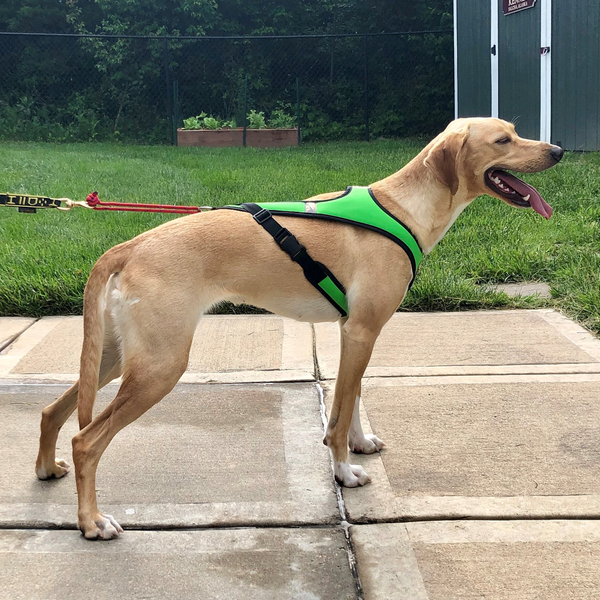
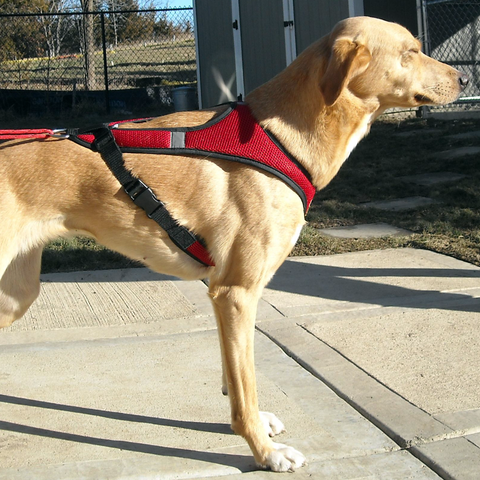
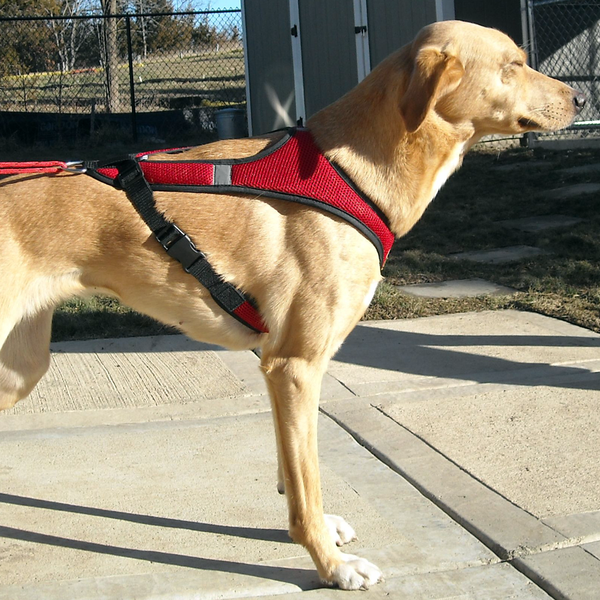
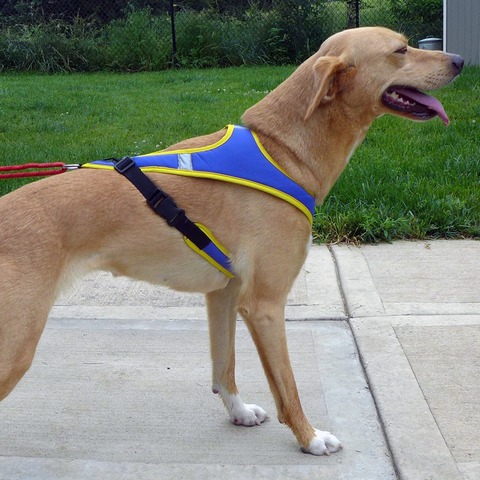
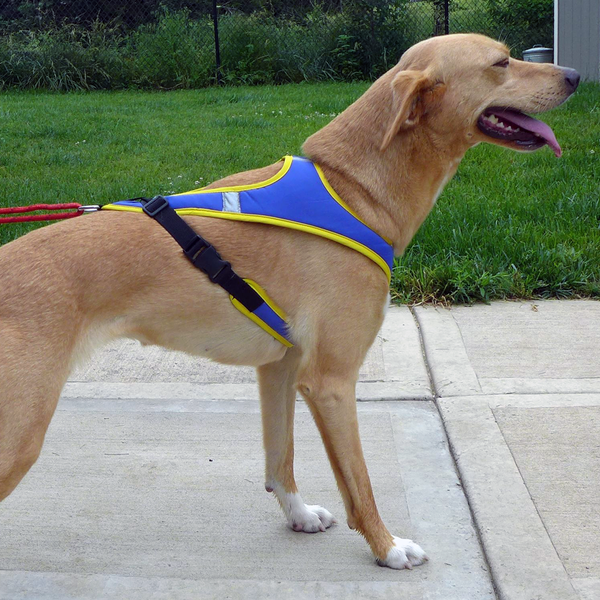
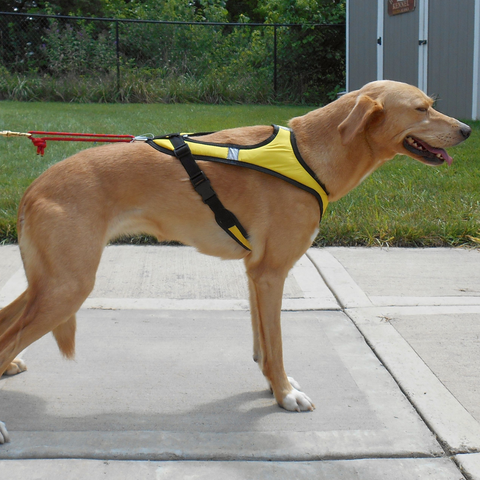
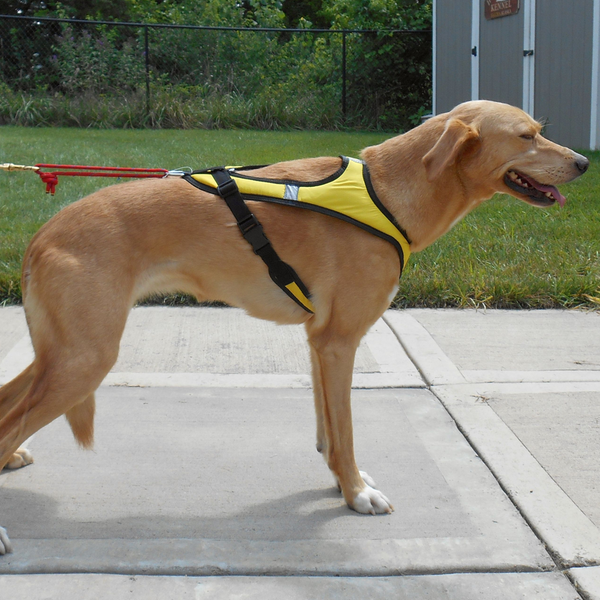
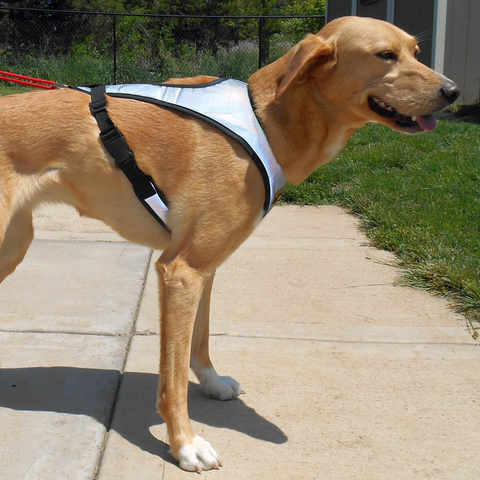
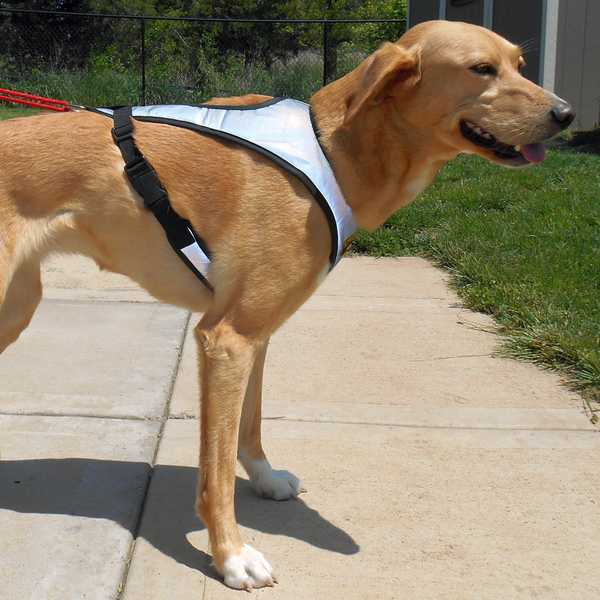
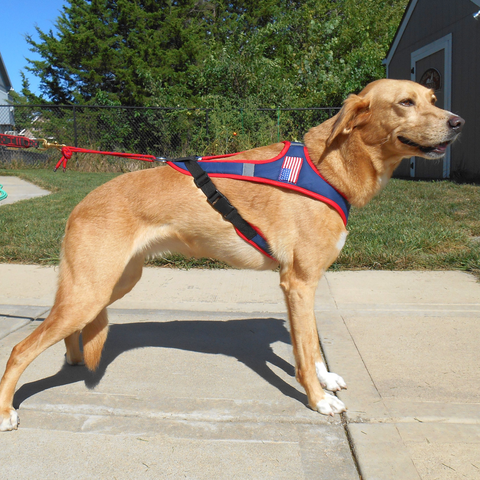
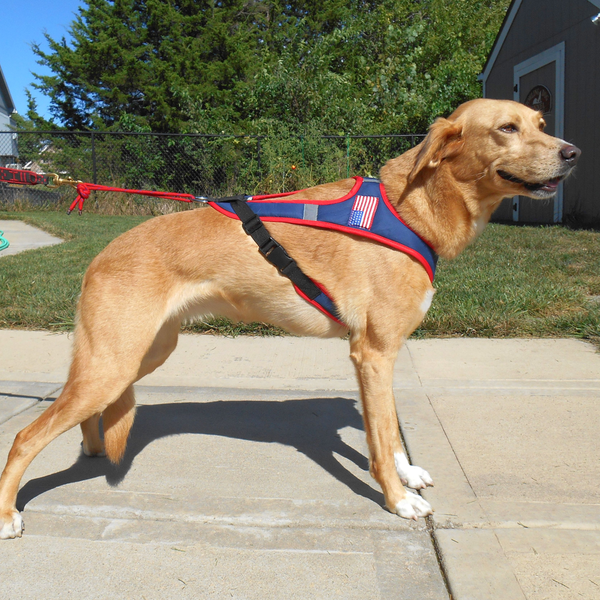
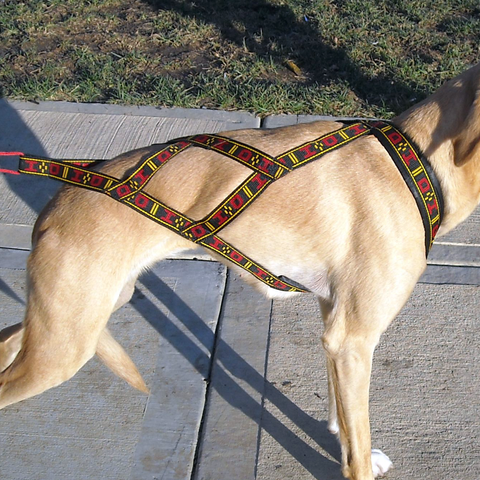
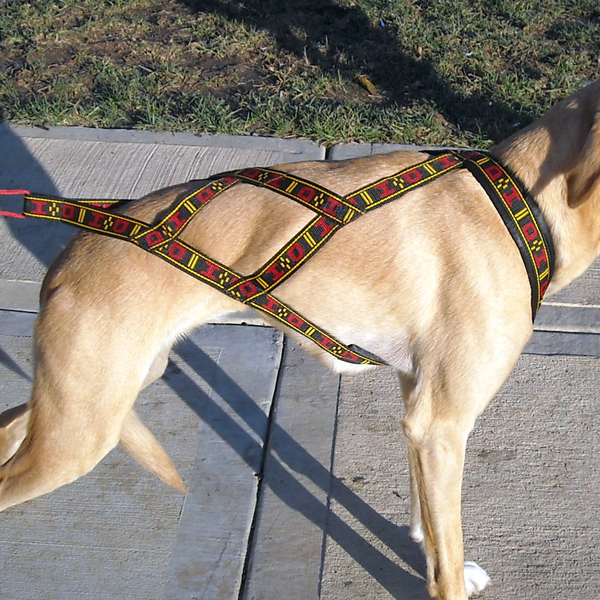
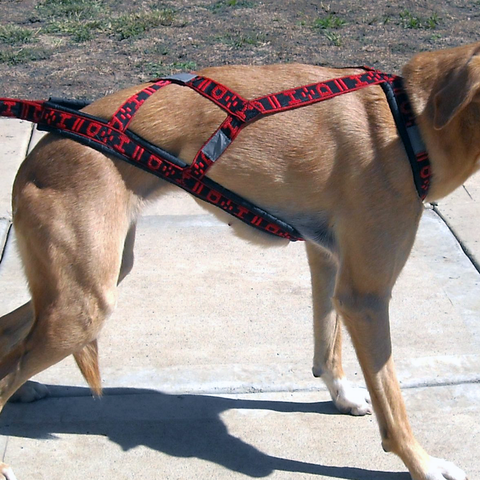
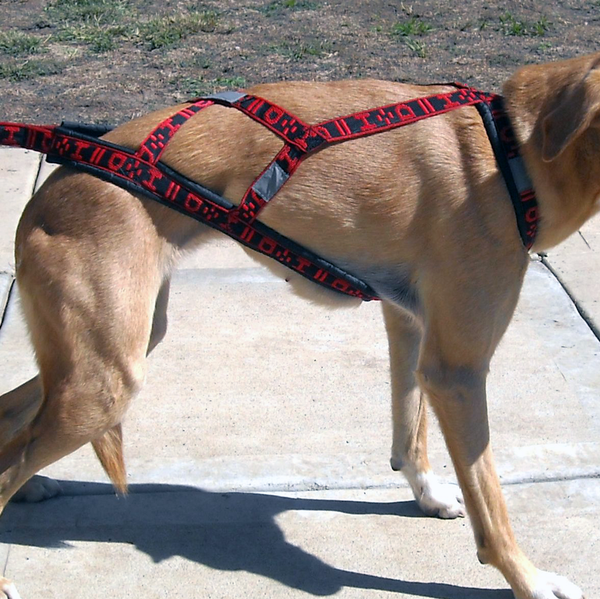
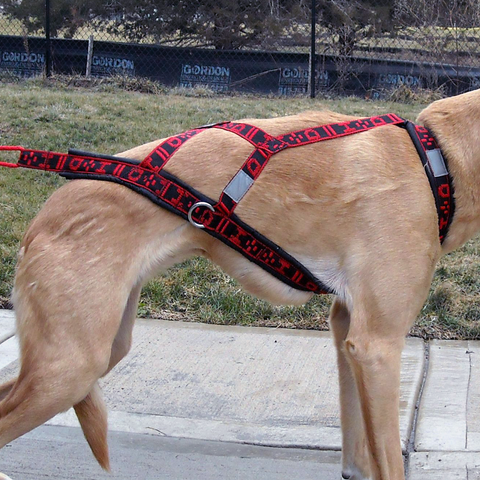
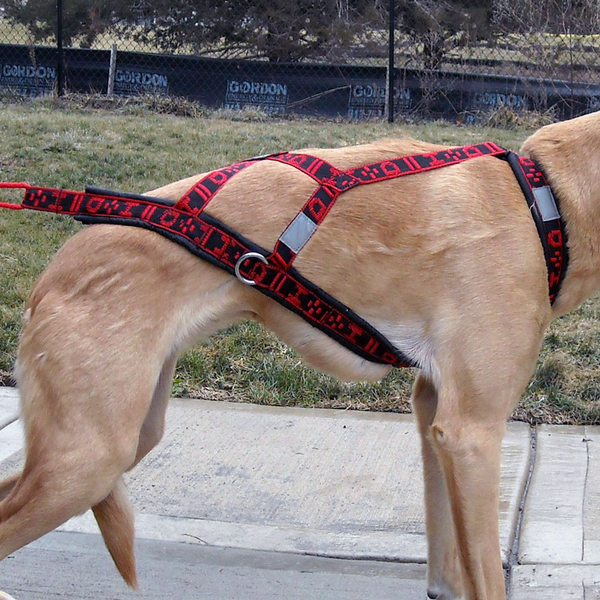
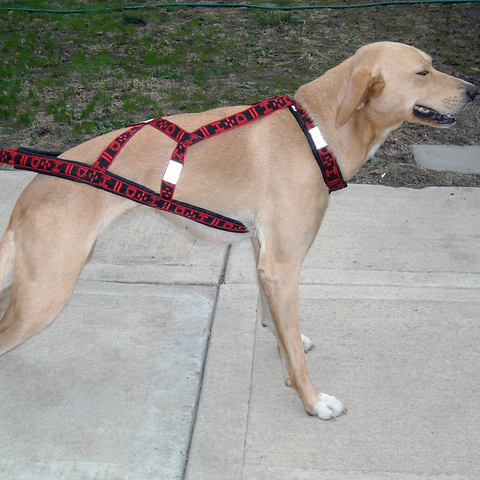
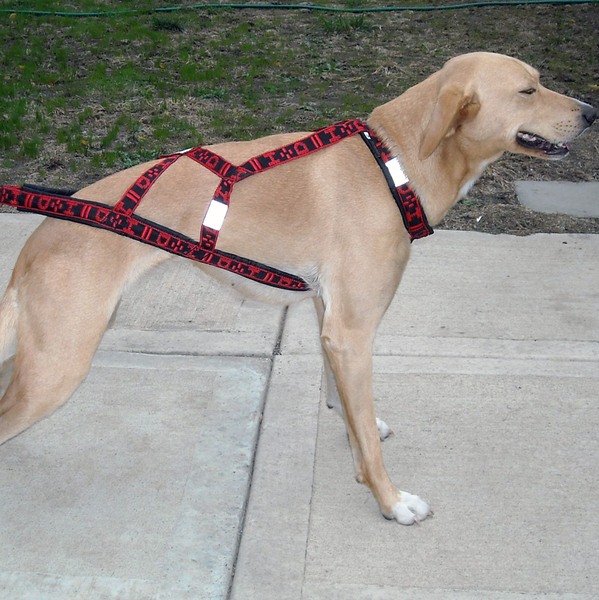
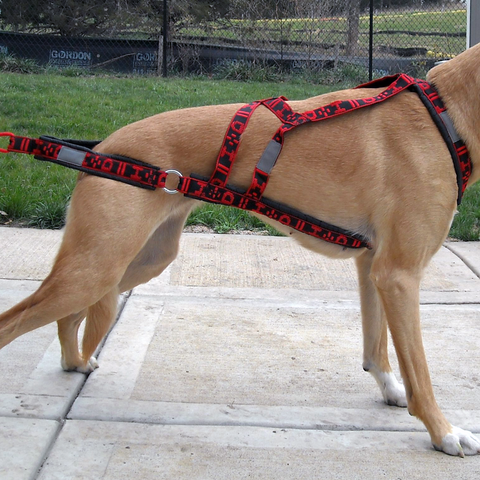
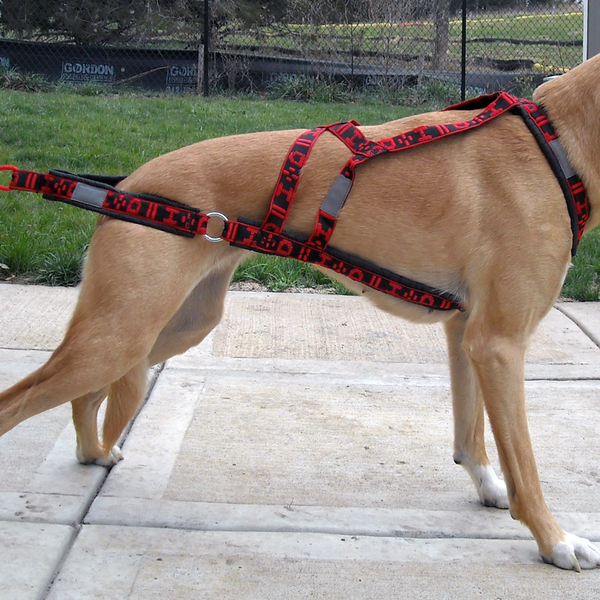
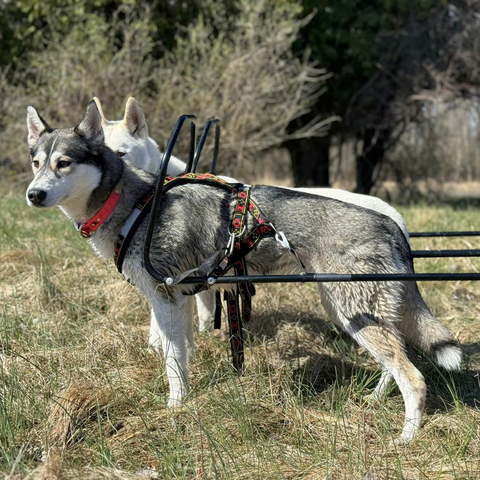
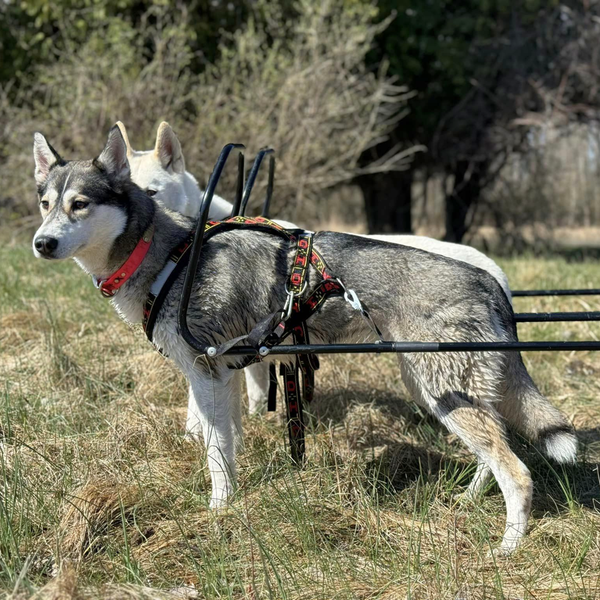
In the 2003 Iditarod Jeff King arrived in White Mountain with 12 dogs, his highest number ever. Further up the trail, his daughter Cali still had 14 dogs in harness, the largest team left in the race. King credits the low attrition to a lack of injuries to his dogs. He is certain the reduced rate of injury was due to the use of the Distance Harness which pulls from further up by the shoulders, rather than from the rear. Unlike other harnesses, it only reaches half way down the dog's back, and eliminates the pressure a standard harness puts on the dog's hips (a common "sore spot" for distance dogs). Because the harness puts less downward pressure on the dog's hindquarters, it helps to eliminate ankle problems in the rear legs. In addition the harness design also reduces the occurrence of shoulder and wrist injuries. The Distance Harness's point of attachment can rotate freely around the animal's torso. Thus, once the team starts pulling, the harnesses of dogs on the right side of the gangline roll to the left, closer to the gangline, making dogs run straighter. The opposite occurs with dogs on the left side of the gangline. The harness with it's floating tugline connection allows the dog to run without crabbing outward. Crabbing is often a cause for a front leg, wrist and shoulder injury. A wrist injury is the most common injury that takes dogs out of a long distance race. Dogs also tend to trot more with these harnesses on.
The use of this harness during the 2003 Iditarod was a great success. The Distance Harness design has great potential in long distance mushing and has attracted a lot of attention from the long distance community. Since than Howling Alaska (US and Canadian ManMat distributor and co-designer) worked closely with Jeff King on making more improvements to the harness. The final product is now available for everyone to try out!
A quote from Jeff King at Eagle Island during the 2003 Iditarod:
"I am confident I have some dogs in this team that would not have made it here without them (the harnesses)."
In the last four years, Jeff King has made three, maybe four major adjustments to the way mushers approach the Iditarod Trail Sled Dog Race. He redesigned a towline system that uses Distance Harnesses and no necklines, leaving the dogs lots of freedom to move about. Here is how Jeff King explains how he keeps his dogs hydrated when they're running 12 to 16 hours a day during the Iditarod race. He credits his shift to the neckline-less towline system, and the use of Distance Harnesses. Traditional setups employ a tugline attached to the dog harness and a shorter line to snap the dog by the collar, keeping its head within 8 to 12 inches of the towline. Jeff realized that his dogs were taking advantage of the extra freedom by pulling to the side in mid-stride and "dipping" for snow on the run. Dipping snow is usually considered a no-no, because the behavior jerks the team to the side since the dog is pulling against a restrictive neckline. "Now, without necklines, my dogs are free to dip wherever, whenever they like," he said. Always the analyst, King actually counted the number of times dogs dipped for snow while he ran a 16-dog team recently. A dog would take a mouthful of snow every 10 seconds. That's more than 300 mouthfuls of snow per hour, and more than 4,000 in 12 hours of running. "Thousands of tablespoons of snow in my cooker is like several gallons of water," he said, getting more enthusiastic as he spoke. "It's like a drip irrigation system!" And that, he pointed out, was a totally unexpected benefit from a change intended solely to make it easier and safer for his dogs to maneuver while pulling.
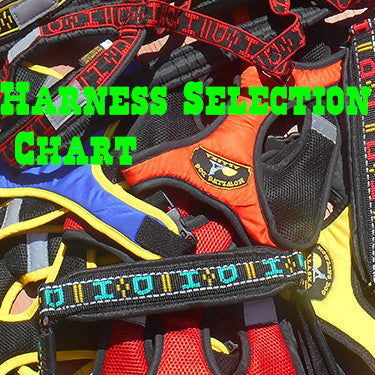
I came up with these sizing generalizations for my kennel: Xsmall (not many dogs in my kennel) - This is a very small dog in both weight and bone structure. Perhaps puppies. I have an adult female who weighs 38 pounds and she wears this size of harness. Small - This is still a small dog in size and bone structure. I have yearlings or thin boned adults that fit in this size. These dogs usually weigh about 40 pounds. Medium - I have over 50% of my kennel in this size. The dogs weigh between 42 and 48 pounds on average. They are still not the big boned dogs. As far as bone structure these dogs usually wear a medium bootie. Large - Everything in my kennel over 50 pounds is in a large. Right now, I have no dogs over 60 pounds. A dog larger then this would have to size up. I tend to size up if I am wondering about a certain dog.
Dogs MUST always go under the mainline when changing sides. If they step over the line there is an immediate tangle. We have set up the system so that the mainline is as high off of the ground as we can get it. We try to keep the mainline as lightweight as possible too, so that it never sags and dogs are not tempted to step over it. Also smaller dogs are run in the wheel position - they have an easier time diving under the mainline at corners.
![]() |
![]() |
The Distance Harness design is protected by a certificate of registration issued by the Office Of Industrial Copyright of the Czech Republic no. 13225/ 2003 - 14028 / MPT B 68 G 11 / 02. Reproduction of this design is prohibited.